
How Red Light Therapy Can Support Your Wellness
Red light therapy has become increasingly popular as people look for noninvasive ways to support their overall health, skin appearance, recovery, and wellness. Also known as photobiomodulation or low-level light therapy, red light therapy uses specific wavelengths of light to interact with cells in the body. It can be offered in a wellness center under professional guidance, as we do at Life Balance Wellness, or used at home with an appropriate device.
But how does red light therapy work, and who might benefit from adding it to a wellness routine? Understanding the basics can help you determine whether this therapy may be a good fit for your goals.
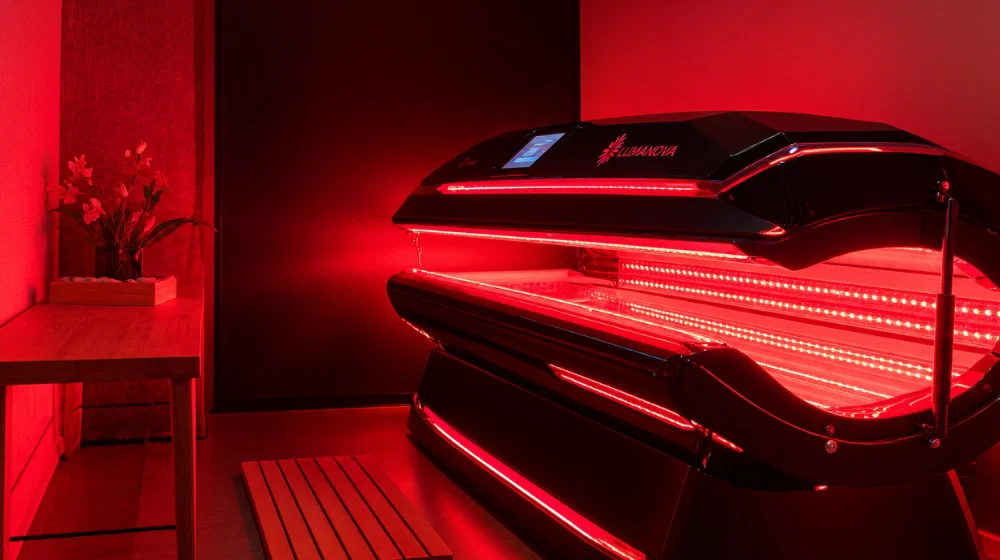
What Is Red Light Therapy?
Red light therapy uses low levels of red and near-infrared light to stimulate biological activity within the body’s cells. Unlike ultraviolet (UV) light, which can damage skin cells, therapeutic red and near-infrared light is designed to deliver specific wavelengths without the harmful effects associated with UV exposure.
During a treatment, a person is exposed to a light source for a set amount of time. Depending on the device and the goals of treatment, the light may be directed toward the face, a specific area of the body, or a larger portion of the body.
Red light therapy is generally painless and noninvasive. Most people simply sit or lie comfortably in front of a light panel or use a specialized device on the desired area.
How Does Red Light Therapy Work?
The potential benefits of red light therapy begin at the cellular level. Certain wavelengths of red and near-infrared light can penetrate the skin and interact with structures inside cells, particularly the mitochondria.
Mitochondria are often described as the “powerhouses” of cells because they help produce adenosine triphosphate (ATP). ATP is the primary energy source cells use to perform their functions. Photobiomodulation may influence mitochondrial activity and cellular signaling, potentially supporting processes involved in energy production, tissue repair, and inflammation.
The exact effects depend on factors such as wavelength, treatment intensity, duration, and the area being treated. Research into photobiomodulation continues, and while some applications have promising evidence, red light therapy should be viewed as a complementary wellness therapy rather than a cure for disease.
Potential Benefits of Red Light Therapy
One reason red light therapy has attracted so much attention is its range of potential applications. Depending on an individual’s goals, benefits may include:
Supporting skin health: Red light therapy is commonly used as part of skincare and wellness routines. It may support collagen production and cellular activity, which can help promote healthier-looking skin and improve the appearance of fine lines, texture, and redness over time.
Supporting exercise recovery: Athletes and active individuals may use red and near-infrared light as part of their recovery routines. Photobiomodulation may support circulation, cellular energy, and the body’s normal recovery processes following physical activity.
Promoting relaxation and wellness: Taking time for a red light therapy session can also become part of a broader self-care routine. When combined with healthy sleep habits, movement, nutrition, and stress-management practices, it may complement an overall approach to wellness.
Supporting healthy inflammatory responses: Research suggests that photobiomodulation may influence inflammatory and cellular signaling pathways. This is one reason it is being explored for a variety of wellness and recovery applications.
Supporting tissue and cellular health: Because red and near-infrared light may influence cellular energy and repair processes, photobiomodulation is being studied for its potential role in supporting the body’s natural healing and recovery mechanisms.
It is important to remember that results can vary. Red light therapy is not a replacement for medical treatment, and people with specific health concerns should discuss appropriate therapies with their healthcare provider.
Who Might Benefit From Red Light Therapy?
Red light therapy may appeal to a wide range of people. Someone interested in supporting healthy-looking skin may incorporate it into a skincare routine, while an active person may use it as part of a recovery strategy. Others may simply be interested in adding a noninvasive therapy to their broader wellness routine.
Red light therapy may also be appropriate for people who prefer wellness approaches that do not involve medications or invasive procedures. However, suitability depends on the individual, their goals, medications, and overall health.
A professional consultation can be especially helpful when you’re new to red light therapy. Our team at Life Balance Wellness can help determine whether in-office treatments, at-home therapy, or a combination of both makes sense for your goals.
In-Office vs. At-Home Red Light Therapy
Both in-office and at-home red light therapy can have a place in a wellness plan.
In-office therapy provides access to professional equipment and guidance. Sessions can be incorporated into a personalized wellness program, allowing the treatment approach to be adjusted based on your goals.
At-home therapy offers convenience and makes it easier to incorporate red light into a regular routine. However, not all devices are the same. Wavelength, power, treatment area, and recommended usage can vary significantly between products.
If you’re considering an at-home device, professional guidance can help you understand how to use it appropriately and choose a device that aligns with your goals.
Making Red Light Therapy Part of Your Wellness Routine
Red light therapy is an exciting area of wellness research, with potential applications ranging from skin health to exercise recovery and cellular support. While it isn’t a magic solution or substitute for healthy lifestyle habits, it may be a useful complement to a comprehensive approach to wellness.
At Life Balance Wellness, red light therapy can be incorporated into a broader plan that considers the whole person, not just one symptom or concern. Whether you are interested in professional in-office treatments or the convenience of at-home therapy, learning how photobiomodulation works can help you make informed choices about your wellness routine.
If you are curious about whether red light therapy may be appropriate for you, we invite you to contact us today at Life Balance Wellness to learn how this therapy may fit into your overall approach to health.
Contact
Business Hours
Monday: 8:00 AM to 12:00 PM; 2:00 PM to 6:00 PM
Tuesday: 8:00 AM to 12:00 PM
Wednesday: 8:00 AM to 12:00 PM; 2:00 PM to 6:00 PM
Thursday: 8:00 AM to 12:00 PM; 2:00 PM to 5:00 PM
Friday/Saturday/Sunday: Closed