
How Stress Affects Your Digestive System
Stress is often thought of as an emotional or mental health concern, but its effects reach far beyond how you feel. Your brain and digestive system are closely connected through what is known as the gut-brain connection. When you experience stress, your body responds in ways that can directly affect digestion, gut function, and even how your body responds to certain foods.
Occasional stress is a normal part of life. However, when stress becomes chronic, it may contribute to digestive symptoms such as bloating, reflux, constipation, diarrhea, abdominal discomfort, and irritable bowel syndrome (IBS). Understanding the connection between stress and digestion can be an important step toward improving overall wellness.
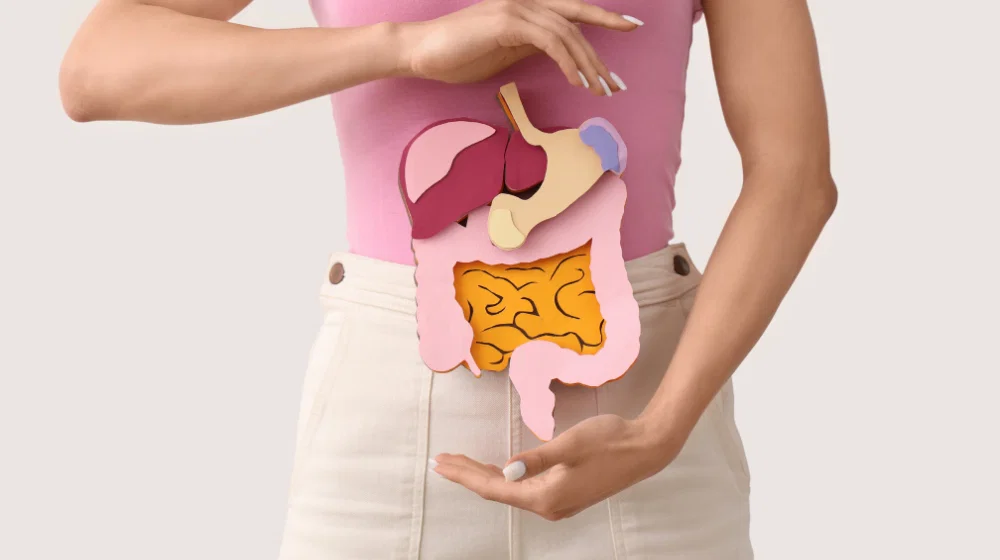
How Stress Changes Digestion
When your body perceives stress, it activates the “fight-or-flight” response. This response is designed to help you deal with an immediate threat. During periods of stress, your body prioritizes functions that help you respond quickly, while digestion may temporarily become less important.
Stress can influence stomach acid production, intestinal movement, blood flow to the digestive tract, and communication between the brain and gut. It can also affect the balance and activity of microorganisms that live in the digestive tract.
If stress continues for weeks or months, these changes can contribute to ongoing digestive problems. In other words, your digestive symptoms may not simply be caused by what you eat. How you live, sleep, handle stress, and respond to daily demands can also influence how your digestive system functions.
Stress, Bloating, and Reflux
Bloating is a common complaint among people experiencing chronic stress. Stress can affect the movement of food and gas through the digestive tract, potentially contributing to feelings of fullness, pressure, or abdominal discomfort.
Stress may also aggravate reflux symptoms. Changes in digestive function, eating habits, and muscle activity can contribute to heartburn or regurgitation in some people. Additionally, stressful periods may lead to habits that increase reflux symptoms, such as eating quickly, skipping meals and overeating later, consuming more caffeine, or eating close to bedtime.
Stress and Constipation
Your nervous system plays an important role in regulating bowel movements. Chronic stress can alter intestinal motility, meaning food and waste may move through the digestive tract differently than usual.
For some people, this may contribute to constipation. Others may experience loose stools or more frequent bowel movements during stressful periods. The relationship between stress and bowel function is one reason digestive symptoms can sometimes seem unpredictable.
Stress and IBS Symptoms
People with IBS may be particularly sensitive to the effects of stress. The gut and brain communicate constantly, and stress can influence how the digestive tract moves and how strongly the body perceives sensations from the gut.
For someone with IBS, a stressful period may coincide with increased abdominal pain, bloating, constipation, diarrhea, or changes in bowel habits. This does not mean that symptoms are “all in your head.” The symptoms are real, and the gut-brain connection helps explain why emotional stress can have physical effects on the digestive system.
Can Stress Contribute to Food Sensitivities?
Stress does not necessarily create a food sensitivity or allergy, but it may influence how your digestive system responds to foods. Chronic stress can affect gut motility, the intestinal environment, and immune activity, potentially making digestive symptoms more noticeable.
This is one reason it can be helpful to look at the bigger picture rather than simply eliminating more and more foods from your diet. If you regularly experience symptoms after eating, a healthcare professional can help determine whether a food allergy, intolerance, sensitivity, or another digestive condition may be involved.
Practical Ways to Reduce Stress and Support Digestion
Managing stress does not have to mean eliminating every source of stress from your life; this is simply not practical or possible for most people. Instead, focus on creating habits that help your body shift out of a constant state of stress.
Try incorporating these simple strategies:
- Practice slow, mindful breathing. A few minutes of deep breathing can help encourage a more relaxed state before or after meals.
- Eat slowly. Take time to chew your food thoroughly and minimize distractions during meals.
- Move your body. Walking, stretching, yoga, and other forms of regular physical activity can support both stress management and healthy digestion.
- Prioritize sleep. Consistent, restorative sleep gives your body an opportunity to recover from daily stress.
- Create relaxing routines. Meditation, prayer, journaling, time outdoors, or other calming activities can help reduce the effects of chronic stress.
- Stay hydrated. Adequate fluid intake supports normal digestive and bowel function.
- Pay attention to patterns. Keeping track of meals, symptoms, sleep, and stressful events may help identify connections that would otherwise be easy to miss.
A Whole-Body Approach to Digestive Health
At Life Balance Wellness, digestive health may be approached from more than one direction. Functional medicine focuses on looking for factors that may be contributing to symptoms rather than addressing each symptom in isolation.
Depending on your individual needs, digestive health support may include reviewing nutrition, sleep, stress levels, lifestyle habits, medications and supplements, and other factors that can influence gut function. Appropriate testing may also help identify nutritional concerns or other underlying issues when indicated.
The goal is not simply to cover up digestive symptoms. It is to understand the factors that may be affecting your health and develop an individualized plan to support better digestion and overall wellness.
Supporting Your Gut and Your Well-Being
Your digestive system and nervous system are deeply connected. When stress becomes a constant part of life, your gut may feel the effects. Bloating, reflux, constipation, IBS symptoms, and other digestive concerns can sometimes be influenced by the way your body responds to ongoing stress.
By combining stress-management strategies with healthy nutrition, restorative sleep, movement, and personalized digestive support, you can take a more comprehensive approach to your well-being. If digestive symptoms are persistent, severe, or interfering with daily life, we welcome you to contact us today at Life Balance Wellness. Our team is dedicated to helping you determine the underlying cause and appropriate treatment.
Contact
Business Hours
Monday: 8:00 AM to 12:00 PM; 2:00 PM to 6:00 PM
Tuesday: 8:00 AM to 12:00 PM
Wednesday: 8:00 AM to 12:00 PM; 2:00 PM to 6:00 PM
Thursday: 8:00 AM to 12:00 PM; 2:00 PM to 5:00 PM
Friday/Saturday/Sunday: Closed