
Understanding Frequency-Specific Microcurrent Therapy and How It Works
When dealing with chronic pain, muscle tension, or lingering injuries, many people look for ways to support their body’s natural healing processes without relying solely on medication or invasive procedures. Frequency-Specific Microcurrent (FSM) therapy is one wellness approach that has gained attention for its use of gentle electrical currents to support pain management, tissue recovery, and overall well-being.
But what exactly is FSM therapy, how does it work, and who might benefit from it? Understanding the basics can help you decide whether this treatment may be worth discussing with your healthcare provider.
What Is Frequency-Specific Microcurrent Therapy?
Frequency-Specific Microcurrent therapy is a non-invasive treatment that uses very low-level electrical currents delivered at specific frequencies. These currents are typically measured in microamperes, which are much smaller than the currents used in many conventional electrical stimulation treatments.
FSM practitioners use combinations of electrical frequencies selected according to the treatment goals and the tissues or symptoms being addressed. The approach is based on the theory that different frequencies may interact with biological tissues in different ways.
Unlike some electrical stimulation therapies that produce noticeable muscle contractions or tingling sensations, microcurrent is often delivered at such a low intensity that patients feel little or nothing during treatment. Sessions are generally designed to be comfortable and relaxing. FSM is used in integrative and holistic wellness settings as a complementary approach to managing pain and supporting recovery.
How Does FSM Therapy Work?
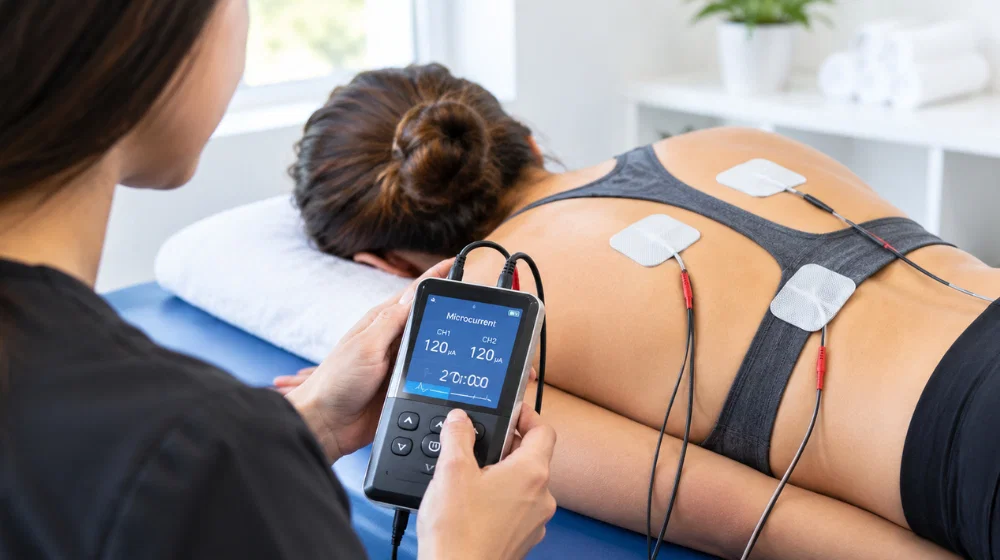
FSM therapy uses a device that delivers gentle electrical currents through electrodes placed on the skin. During a session, your practitioner selects specific frequency combinations based on your symptoms, health history, and treatment goals.
The underlying idea is that carefully selected frequencies may influence cellular activity and the body’s response to injury. Researchers have investigated how electrical stimulation can affect biological processes, including cell signaling, circulation, and tissue repair. However, the effects of conventional electrical stimulation cannot automatically be attributed to FSM, and more research is needed to determine which FSM protocols are effective for particular conditions.
Several proposed mechanisms help explain why practitioners use this therapy.
Supporting cellular activity: Cells rely on electrical and chemical signals to carry out essential functions. Some research suggests that electrical stimulation may influence cellular processes involved in tissue repair. FSM practitioners use this concept to guide treatment, although the specific effects of different FSM frequencies require further study.
Promoting relaxation and comfort: Because microcurrent is delivered at a very low intensity, treatment is often gentle and comfortable. For some patients, the quiet, relaxing nature of a session may complement other strategies for managing pain and stress.
Supporting recovery after injury: Practitioners may use FSM as part of a broader recovery plan intended to help patients manage discomfort and return to normal activities. Its effectiveness will depend on the condition being treated, and it should not replace appropriate medical care or rehabilitation when needed.
What Conditions Is FSM Commonly Used For?
Frequency-Specific Microcurrent therapy is used in some wellness practices for a range of musculoskeletal and pain-related concerns.
Chronic Pain and Muscle Tension
People experiencing persistent muscle discomfort, stiffness, or chronic pain may seek FSM as a complementary option. Practitioners may target areas affected by overuse, tension, or previous injury. The goal is to help patients manage discomfort and improve their ability to participate in everyday activities.
Sports Injuries and Physical Recovery
Athletes and active individuals sometimes explore FSM to complement recovery from exercise-related strain, soft-tissue injuries, or other musculoskeletal problems.
Your wellness provider may incorporate the therapy into a plan that also includes appropriate rest, progressive exercise, physical therapy, and other evidence-based treatments. FSM should not be considered a substitute for rehabilitation or medical evaluation when an injury is significant.
Joint Discomfort and Limited Mobility
People experiencing discomfort around the knees, shoulders, hips or other joints may inquire about FSM as part of a broader pain-management plan.
The treatment may be offered with the goal of improving comfort and supporting movement. However, joint pain can have many causes, including arthritis, inflammation, and structural injuries. Identifying the underlying cause is important before deciding which treatments are appropriate.
Soft-Tissue Injuries and Post-Exercise Soreness
Muscle strains and other soft-tissue problems can interfere with daily routines and physical activity. Some practitioners use FSM to complement recovery programs for these concerns.
Stress-Related Muscle Discomfort
Stress can contribute to muscle tension, particularly in the neck, shoulders, and back. Some people seek gentle, non-invasive therapies as part of a larger effort to improve relaxation and manage discomfort.
FSM may fit into a wellness routine that also includes adequate sleep, movement, breathing exercises, and other stress-management strategies.
What Happens During an FSM Session?
A typical FSM session begins with a discussion of your symptoms, health history, and goals. Your practitioner may ask about previous injuries, current treatments, and activities that worsen or improve your discomfort.
Next, electrodes are placed on the skin near the area being treated. Depending on the equipment and practitioner, the electrodes may be positioned in pairs or used in other configurations designed to deliver the selected currents.
Your practitioner then chooses frequency settings based on the treatment plan. Sessions may last anywhere from approximately 30 minutes to an hour or longer, depending on the concerns being addressed.
Most patients describe microcurrent treatment as gentle, with little to no noticeable sensation. Some people report feeling relaxed during or after a session, although individual experiences vary.
The number of sessions recommended will depend on various factors. Before beginning treatment, ask about the expected duration of care and how progress will be evaluated.
Why Do Patients Seek FSM as a Non-Invasive Wellness Therapy?
One reason FSM attracts interest is that it offers an approach to care that does not involve incisions, injections, or medication administration. Patients who prefer conservative treatment options may appreciate its gentle application and the opportunity to incorporate it into a personalized wellness plan.
FSM can also appeal to people who want to explore complementary therapies alongside conventional medical care. When used appropriately, a coordinated approach may help patients address different aspects of their health, including pain, mobility, physical activity, and stress management.
Still, non-invasive does not automatically mean proven, risk-free, or appropriate for everyone. Be sure to speak with your healthcare provider about your specific needs, goals, and preferences to make sure this is the right treatment for you.
Is FSM Therapy Right for You?
FSM may be worth discussing with a qualified healthcare provider if you are interested in complementary approaches to pain management or physical recovery. Before starting, consider your diagnosis, current medications, other treatments, and the quality of evidence supporting FSM for your particular concern.
People with implanted electronic medical devices, such as pacemakers, or certain other medical conditions should seek medical guidance before receiving electrical stimulation therapy. Electrode placement and treatment settings may also matter, particularly during pregnancy or when treating areas with reduced sensation or compromised skin.
Our practitioner will review your health history, explain the potential benefits and limitations, and coordinate with your existing healthcare team when appropriate.
Supporting Your Wellness With an Individualized Approach
Frequency-Specific Microcurrent therapy offers a gentle, non-invasive option that some people explore to complement pain management and recovery. At Life Balance Wellness, FSM may be considered alongside other strategies tailored to your needs, such as movement, rehabilitation, stress management, and healthy lifestyle habits. The goal is to create a thoughtful, individualized plan that supports your well-being while keeping realistic expectations and evidence-based care at the center of your treatment decisions.
If you are curious about FSM, a conversation with a qualified healthcare professional can help you determine whether it may be an appropriate addition to your wellness routine. We welcome you to contact us today to learn more.
Contact
Business Hours
Monday: 8:00 AM to 12:00 PM; 2:00 PM to 6:00 PM
Tuesday: 8:00 AM to 12:00 PM
Wednesday: 8:00 AM to 12:00 PM; 2:00 PM to 6:00 PM
Thursday: 8:00 AM to 12:00 PM; 2:00 PM to 5:00 PM
Friday/Saturday/Sunday: Closed