
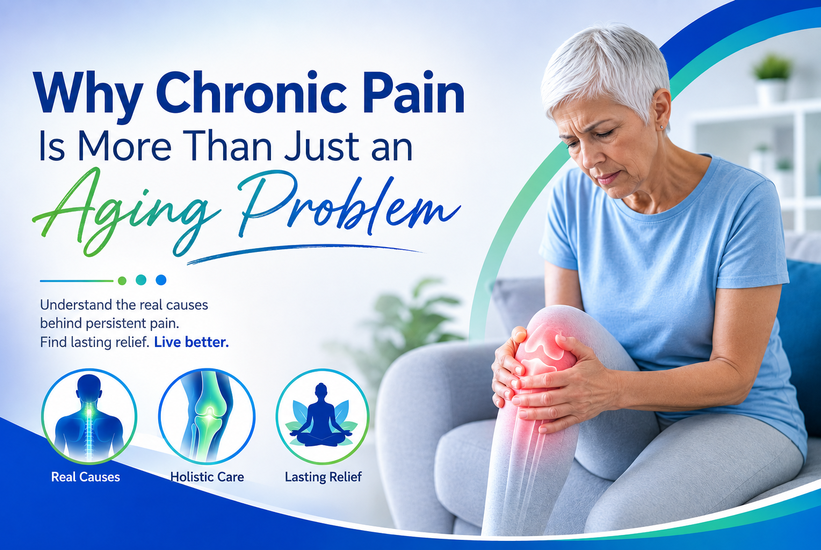
Why Chronic Pain Is More Than Just an Aging Problem
It is easy to assume that chronic pain is simply a normal part of getting older. After all, aches, stiffness, and soreness seem to become more common with age. But while the body does change over time, persistent pain should not automatically be dismissed as something you simply have to live with.
Chronic pain can have many contributing factors, and in many cases, there are underlying issues that can be addressed. Inflammation, irritated nerves, poor posture, old injuries, and ongoing stress can all influence how the body feels and moves. Understanding these factors is an important first step toward finding a personalized approach to better comfort and mobility.
Inflammation Can Keep Pain Going
Inflammation is part of the body’s natural healing process. When you experience an injury or irritation, inflammation helps protect the affected area and supports recovery. However, when inflammation becomes persistent, it can contribute to ongoing discomfort, stiffness, and reduced mobility.
A variety of factors may contribute to chronic inflammation, including physical strain, repetitive movements, poor sleep, nutritional factors, and prolonged stress. Addressing the factors that may be contributing to inflammation can be an important part of a comprehensive approach to managing chronic pain.
Old Injuries Can Continue to Affect the Body
An injury does not always stop affecting you once the initial pain has gone away. A previous accident, sports injury, fall, or surgery can sometimes change the way you move. You may unconsciously favor one side of the body or compensate for an area that feels weak or uncomfortable.
Over time, these movement patterns can place additional stress on muscles, joints, and other tissues. That old injury may not be the only cause of today’s pain, but it can be part of the bigger picture.
Posture and Movement Matter
Modern lifestyles can also contribute to chronic discomfort. Spending hours sitting at a desk, looking down at a phone, driving, or working in the same position can affect posture and movement patterns.
Poor posture may place unnecessary strain on the neck, shoulders, back, and hips. When certain muscles work harder than they should while others become underused, discomfort and stiffness can develop.
Improving body mechanics and restoring healthy movement patterns can help reduce unnecessary strain. Chiropractic care may be one non-invasive option for addressing musculoskeletal problems and supporting better mobility.
Nerve Irritation Can Cause Persistent Symptoms
Not all chronic pain comes directly from muscles or joints. Irritated or compressed nerves can also contribute to nerve-related discomfort, tingling, numbness, burning sensations, or discomfort that travels from one part of the body to another.
For example, irritation involving nerves in the spine can sometimes contribute to symptoms extending into the arms or legs. Identifying the potential source of nerve-related discomfort is important because treatment should be tailored to the underlying problem, rather than simply masking symptoms.
Stress Can Influence How You Experience Pain
Pain is not purely physical. Stress, poor sleep, and emotional tension can influence the body’s response to discomfort.
When you are under ongoing stress, your muscles may remain tense, particularly around the neck, shoulders, and back. Stress can also affect sleep and recovery, which may make it more difficult for the body to manage discomfort.
This does not mean chronic pain is “all in your head.” Rather, the nervous system, muscles, sleep patterns, and emotional well-being are interconnected. A holistic approach recognizes these connections and considers the whole person when developing a wellness plan.
Non-Invasive Therapies for Chronic Pain
For people looking for conservative approaches to chronic discomfort, several non-invasive therapies may be worth exploring.
Chiropractic care focuses on the relationship between the spine, joints, muscles, and nervous system. Depending on the individual and the source of their discomfort, chiropractic treatment may help support mobility, improve function, and reduce musculoskeletal pain.
Laser therapy uses specific wavelengths of light as part of a non-invasive treatment approach. It may be used to support the body’s natural healing processes and help address pain and inflammation in targeted areas.
Frequency-specific microcurrent (FSM) uses very low levels of electrical current at specific frequencies. Wellness providers may use FSM as part of a broader approach to supporting tissue recovery, relaxation, and comfort. While research and treatment protocols vary, it can be considered alongside other complementary therapies when appropriate.
These approaches may be used individually or as part of a personalized wellness plan based on a person’s symptoms, lifestyle, goals, and overall health.
You Don't Have to Simply Live With Chronic Pain
Getting older does not automatically mean you should accept daily pain as inevitable. While age-related changes can play a role in discomfort, chronic pain often involves multiple factors that may be addressed through appropriate evaluation and care.
A holistic approach looks beyond the location of the pain to consider inflammation, movement patterns, past injuries, nerve irritation, stress, sleep, and overall wellness. By identifying potential contributors and supporting the body’s ability to function and recover, it may be possible to improve comfort and mobility without immediately relying on invasive treatments.
If chronic pain is interfering with the activities you enjoy, consider talking with a qualified wellness professional. Understanding why you hurt can be the first step toward creating a plan that helps you move more comfortably and feel more like yourself again. We welcome you to contact us today at Life Balance Wellness to learn more.
Contact
Business Hours
Monday: 8:00 AM to 12:00 PM; 2:00 PM to 6:00 PM
Tuesday: 8:00 AM to 12:00 PM
Wednesday: 8:00 AM to 12:00 PM; 2:00 PM to 6:00 PM
Thursday: 8:00 AM to 12:00 PM; 2:00 PM to 5:00 PM
Friday/Saturday/Sunday: Closed