
Healing With Light: How Laser Therapy Accelerates Tissue Repair
In recent years, light-based therapies have gained attention for their ability to support healing in a gentle, non-invasive way. One of the most widely used approaches is low-level laser therapy (LLLT), often called cold laser therapy or photobiomodulation.
Unlike surgical lasers that cut or cauterize tissue, low-level lasers deliver specific wavelengths of light that stimulate the body’s natural repair processes. This technology has become a valuable tool in holistic wellness clinics because it can help reduce inflammation, ease pain, and accelerate tissue recovery without medication or downtime.
Let’s take a closer look at how this innovative therapy works and how it can support overall healing.
What Is Low-Level Laser (Cold Laser) Therapy?
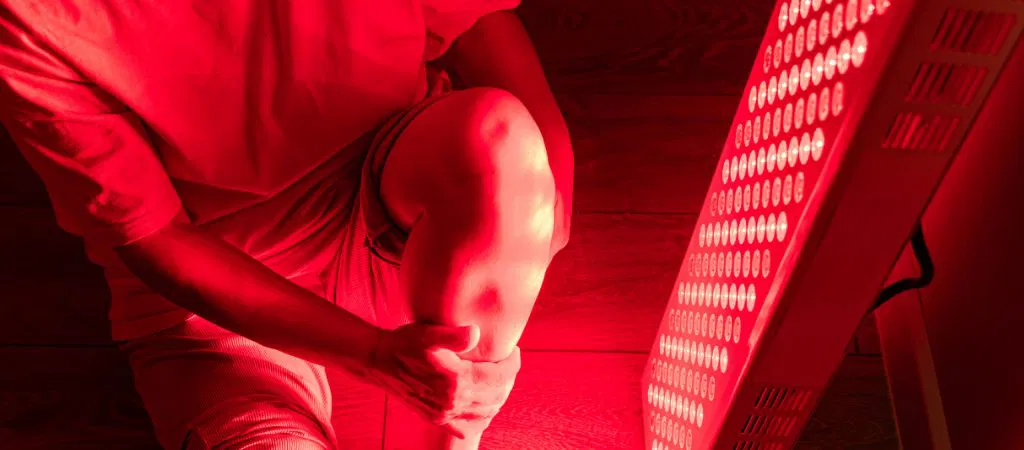
Low-level laser therapy uses concentrated light energy to stimulate cells in the body. The device emits safe wavelengths of red or near-infrared light that penetrate the skin and interact with tissues beneath the surface.
At the cellular level, this light energy is absorbed by structures within the cells called mitochondria. These structures produce energy in the form of ATP (adenosine triphosphate). When cells receive additional light energy, ATP production increases. This can help the body repair and regenerate tissues more efficiently.
This process, known as photobiomodulation, can lead to several beneficial effects:
- Reduced inflammation
- Improved circulation
- Faster tissue repair
- Decreased pain signals
- Enhanced cellularmetabolism
Because the treatment uses low-intensity light, it does not heat or damage tissue, which is why it’s often referred to as a “cold” laser.
What Conditions Can Laser Therapy Help Treat?
Cold laser therapy is versatile and can support recovery for many different conditions. It is commonly used to address musculoskeletal pain, inflammation, and soft tissue injuries.
1. Joint and Muscle Pain
Laser therapy is frequently used for people experiencing:
- Knee pain
- Shoulder injuries
- Back or neck pain
- Tendonitis
- Sports injuries
The light energy helps reduce inflammation in joints and surrounding tissues, which can ease discomfort and improve mobility.
2. Inflammation and Swelling
Inflammation is a natural part of healing, but chronic or excessive inflammation can slow recovery and cause ongoing pain.
Cold laser therapy helps regulate inflammatory processes in the body by stimulating circulation and cellular repair. This can be beneficial for conditions such as:
- Arthritis
- Bursitis
- Plantar fasciitis
- Repetitive strain injuries
By calming inflammation, laser therapy often allows tissues to recover more efficiently.
3. Soft Tissue Injuries
Ligaments, tendons, and muscles can take time to heal due to limited blood supply. Laser therapy may accelerate recovery by improving cellular activity and circulation in these areas.
It is commonly used for:
- Sprains and strains
- Ligament injuries
- Muscle tears
- Post-exercise soreness
Many athletes and active individuals use laser therapy to help reduce recovery time after injuries.
4. Nerve-Related Pain
Some research suggests that photobiomodulation may help support nerve healing and reduce nerve pain signals.
Laser therapy is sometimes used for:
- Sciatica
- Carpal tunnel symptoms
- Peripheral nerve irritation
By supporting tissue repair around nerves, it may help relieve discomfort and restore normal function.
5. Wound and Tissue Healing
Laser therapy can also promote skin and tissue healing by stimulating cell regeneration and collagen production.
It may support recovery after:
- Minor wounds or cuts
- Surgical procedures
- Soft tissue trauma
Because it encourages circulation and tissue repair, it can be a helpful addition to recovery protocols.
What Does a Laser Therapy Session Feel Like?
One of the reasons laser therapy is so popular is that it’s comfortable and quick. During treatment, our practitioner places a handheld laser device over the targeted area. The light penetrates the tissue without causing heat or discomfort.
Most people experience:
- A mild warming sensation (sometimes none at all)
- No pain during treatment
- Sessions lasting about 5–15 minutes depending on the area
Many patients find the experience relaxing, and there is no downtime afterward, so you can return to normal activities immediately.
While some people notice improvement after a single session, most conditions respond best to a series of treatments that build on each other over time.
How Laser Therapy Complements Other Treatments
In a holistic wellness setting, laser therapy is rarely used as a standalone solution. Instead, it often works best when combined with other therapies that support healing from multiple angles.
Laser therapy can complement:
- Manual therapies
Chiropractic care, massage therapy, and bodywork help restore alignment and mobility. Laser therapy can enhance these treatments by reducing inflammation and supporting tissue repair. - Physical therapy and rehabilitation
When combined with targeted exercises, laser therapy can help tissues recover faster and improve function. - Acupuncture and energy-based therapies
Because laser therapy stimulates cellular energy and circulation, it can pair well with other modalities focused on restoring balance in the body. - Lifestyle and wellness support
Nutrition, stress management, and movement all play important roles in healing. Laser therapy can amplify these efforts by helping the body recover more efficiently.
This integrative approach allows practitioners to address both symptoms and underlying causes, supporting long-term wellness.
Is Laser Therapy Safe?
Low-level laser therapy has been studied for decades and is considered very safe when performed by trained professionals.
Key safety benefits include:
- Non-invasive treatment
- No medications required
- No injections or incisions
- Minimal to no side effects
Because the light used is low intensity, it does not damage tissue or cause burns.
However, laser therapy may not be appropriate in certain situations, such as over cancerous lesions or during pregnancy in specific areas. Our practitioner will review your health history and determine whether the treatment is appropriate for you.
Supporting the Body’s Natural Healing Ability
The human body has an incredible ability to repair itself, but sometimes it needs the right support to do so efficiently. Low-level laser therapy works by stimulating the body’s own healing mechanisms at the cellular level.
For individuals dealing with inflammation, joint pain, or slow-healing injuries, this gentle technology can be a powerful addition to a comprehensive wellness plan. To learn more about low-level laser therapy and its benefits, we invite you to contact us today at Life Balance Wellness.
Contact
Business Hours
Monday: 8:00 AM to 12:00 PM; 2:00 PM to 6:00 PM
Tuesday: 8:00 AM to 12:00 PM
Wednesday: 8:00 AM to 12:00 PM; 2:00 PM to 6:00 PM
Thursday: 8:00 AM to 12:00 PM; 2:00 PM to 5:00 PM
Friday/Saturday/Sunday: Closed